
Mosaic tile installation
A mosaic needs more than small tiles fixed to a surface. The joints, cut pieces and edges should form one coherent finish, whether it is a kitchen splashback, a shower floor or a decorative wall. Mosaic fitting, supply-and-fit, preparation and repairs are available for homes and commercial interiors.
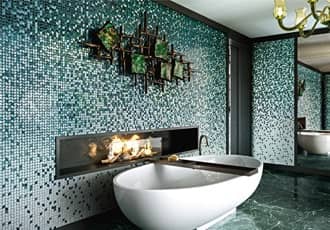
Mosaic tile installation for kitchens, bathrooms and floors

Preparation, fixing and finishing
The work brings together the background, tile format and finished pattern. It includes setting out the design, preparing the surface, fixing the mosaics, completing the grout joints and finishing the junctions around the installation. Removal, levelling, backer boards and waterproofing are available where the existing construction or the new use calls for them.

Sheet mosaics with a continuous joint pattern
A sheet edge should not leave a heavier line through the design. Spacing between sheets needs to follow the joints between the individual pieces, with adjustments around borders and changes of direction. Small pieces cut at the perimeter help the pattern finish deliberately rather than end in an awkward strip.

Individual tesserae, borders and shaped surfaces
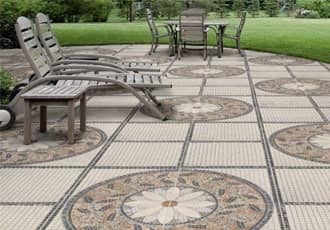
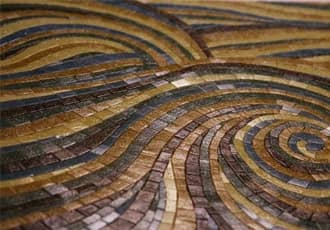
Hand-set pieces allow a border, picture or logo to follow its intended outline. Curved benches and rounded walls need a suitable shaped background as well as careful placement. A flat mosaic sheet cannot compensate for a poorly formed curve beneath it.
A finish for the room, not just the sample
Mosaic fitting for kitchens, bathrooms, floors and decorative surfaces.
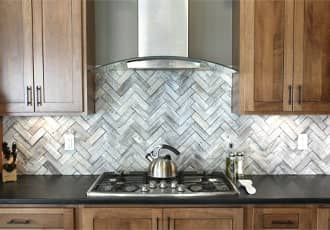
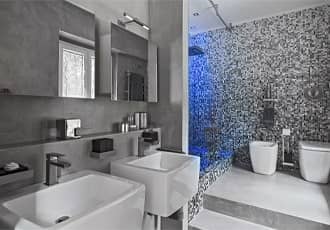
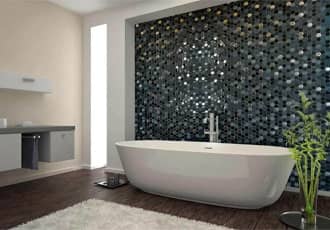
Kitchen mosaic splashbacks and utility walls
Splashbacks sit close to eye level, where cuts around sockets, corners and window reveals are particularly noticeable. A balanced layout connects the worktop, hob and wall units, while the exposed ends need a neat trim or a suitable finished tile edge. Heat suitability behind a hob depends on the tile and appliance requirements.
Bathroom walls, shower niches and wet-room floors
Mosaics can wrap a niche or follow the falls of a shower floor, but the material must suit the location. Shower floors need a compatible floor build-up, drainage detail and waterproofing system. Extra grout lines alone do not establish that a tile is safe under wet feet.
Hallway floors and decorative wall panels
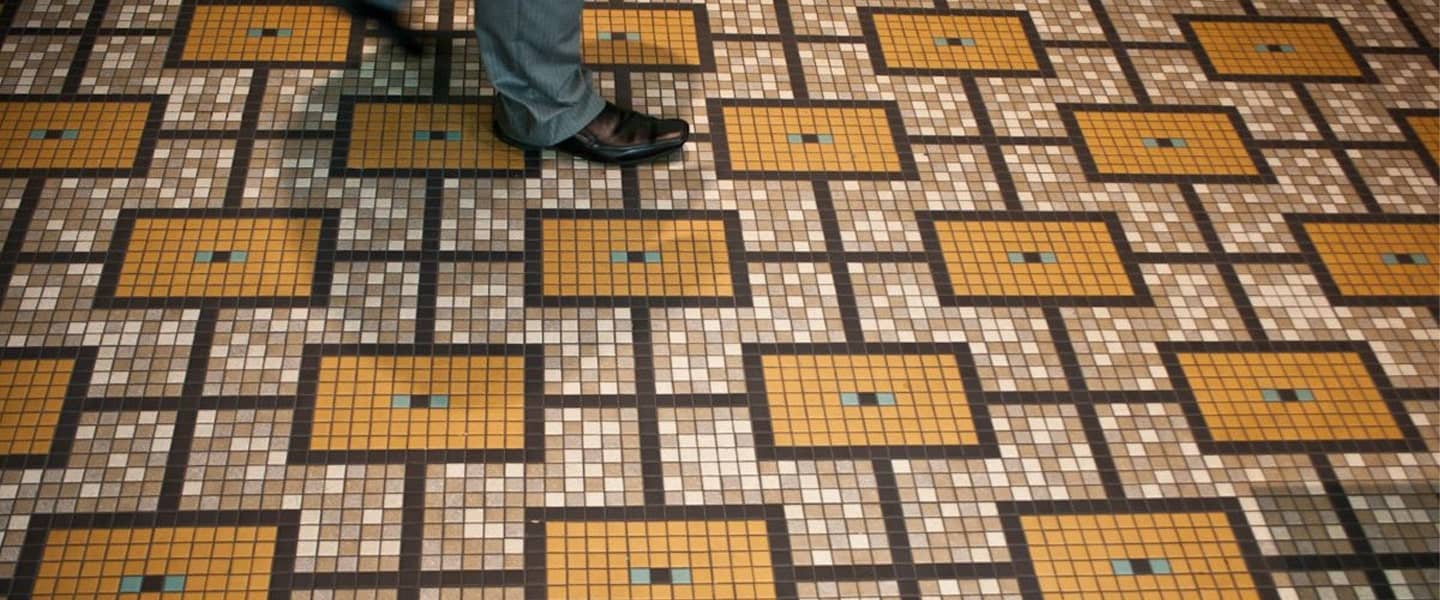
A floor border needs to meet doorways and adjoining finishes without an accidental step or a narrow sliver of pattern. Feature panels bring different priorities: a defined outline, straight junctions with surrounding tiles or plaster, and consistent alignment across the whole design.
The surface beneath the small tiles
Mosaics follow the background closely. Dips, ridges and changes in level can remain visible after grouting, so flattening the surface is a separate part of the work rather than something to disguise with extra adhesive.
Existing plaster, boards and previously tiled walls
The fixing method depends on what is actually on the wall. Loose plaster, weak paint and tiles that have lost their bond cannot provide a reliable base. Sound existing tiles may sometimes remain, but their bond, cleanliness and the extra finished thickness all matter. Replacement boards or local repairs may be more appropriate than covering a failing surface.
Floor preparation and movement beneath mosaics
A timber-based floor and a solid screed do not behave in the same way. Stability, drying, existing cracks and the intended floor finish determine the preparation. Movement joints and necessary transitions remain part of the installation; a mosaic pattern must not bridge a joint that needs to move.
Mosaic fitting for your home or premises
Enquire about mosaic fitting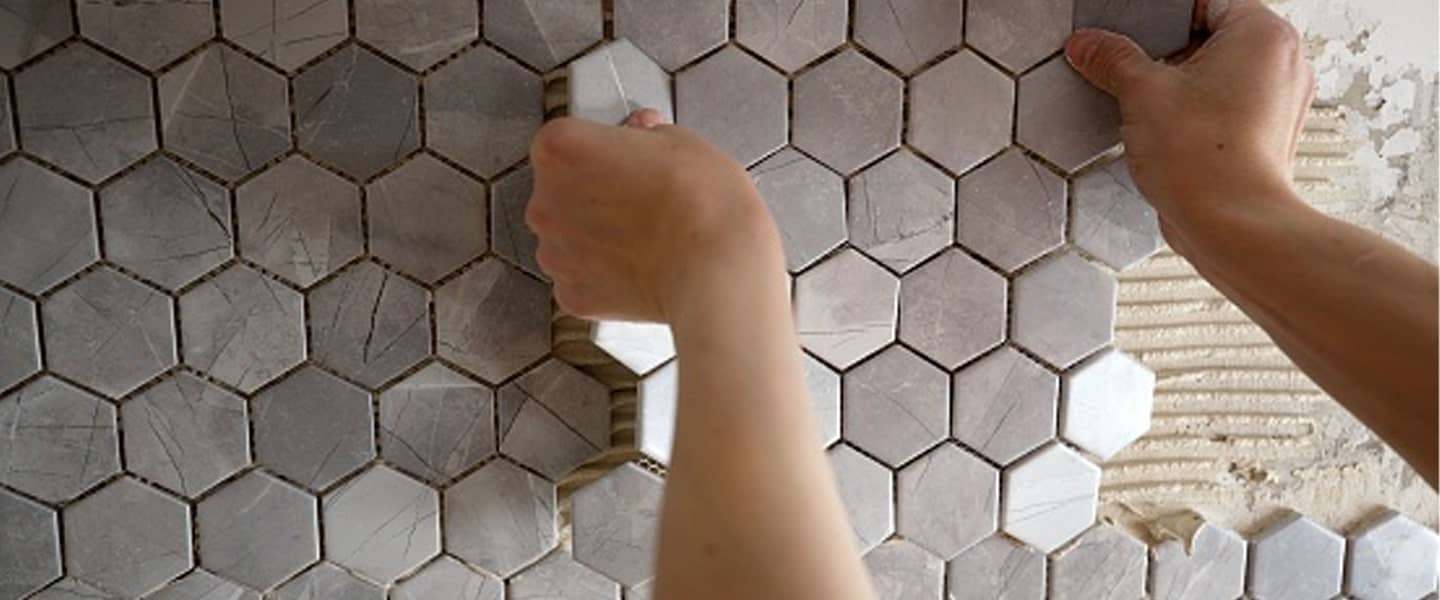
Glass, natural stone and ceramic finishes
Translucent glass and the adhesive behind it
The backing and adhesive can affect the appearance of translucent glass. Adhesive colour, coverage and visible ridges matter as much as the colour on the sample. Mesh-backed and paper-faced mosaics also need different handling, and the backing must be compatible with the intended environment.
Marble and stone mosaics with natural variation
Stone pieces vary in tone, veining and sometimes thickness. Their layout needs to work across the whole surface, not just within one sheet. Some stones need protection against staining during grouting and suitable sealing afterwards. Sealing helps protect the stone; it does not waterproof the wall or floor below it.
Ceramic and porcelain mosaics for walls and floors
A small tile is not automatically suitable for every floor, shower or pool. Product suitability, the background and the location govern the adhesive and grout selection. Glazed, textured and polished finishes also behave differently when they are cut, grouted and cleaned.
Waterproofing, grout colour and clean junctions
In a shower or wet room, the waterproof layer protects the construction behind the finish. Its corners, drains and other junctions need a complete compatible system. Tile joints are not a replacement for that layer.
Grout has a large visual role in a mosaic. A close colour can soften the grid; a contrast can make every joint prominent. The product also needs to suit the joint width, tile surface and exposure. Epoxy grout is an option where the specification calls for it, not an automatic requirement for every domestic mosaic.
Internal corners, perimeters and other movement locations need the appropriate flexible detail rather than rigid grout throughout. Final cleaning should remove fixing and grout residue without scratching glass or damaging a sensitive stone finish.
Repair, commercial and specialist mosaic work
A damaged panel may need individual pieces replaced, fresh grout or renewed silicone rather than a complete new surface. Matching depends on the original material and what remains available. Repeated cracking or loose pieces can point to a problem below the finish, so a cosmetic repair is not always enough.
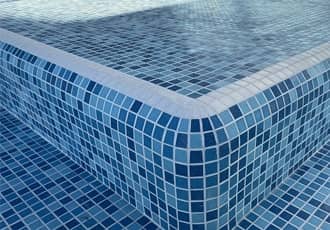
Commercial interiors include bar fronts, reception features, retail displays and hotel bathrooms. Swimming pools, spas and steam rooms bring additional demands from immersion, chemicals or heat. Those installations need their own compatible substrate, fixing and finishing specification rather than a standard splashback build-up.
Supply-and-fit or fitting mosaics you already own
Both options are available. Supply-and-fit brings the chosen mosaic and its installation together; customer-supplied fitting uses the tiles already purchased, subject to their condition and suitability. General kitchen and bathroom wall and floor tiling can also accompany a mosaic panel, so the meeting points between finishes belong to one coherent layout.
The amount of preparation, the material, individual cutting, pattern complexity and finishing details all affect the work involved. A small area with numerous corners can need more careful fitting than a larger uninterrupted rectangle.
Mosaic fitting enquiries
Kitchen splashbacks, wet-area mosaics, decorative floors and repairs, with fitting-only and supply-and-fit options.
Questions about mosaic fitting
Yes, where the surrounding finish and background remain sound. The important details are the depth of the new mosaic, its perimeter and the way it meets the existing wall or tiles.
Yes. Fitting is available for customer-supplied mosaics as well as supply-and-fit. Their material, backing and suitability still need to match the wall, floor or wet-area application.
Sheet joints can become more noticeable when their spacing differs from the joints within each sheet. Uneven bedding and a change in alignment can also create a visible grid across the finished surface.
Suitable floor-rated mosaics can follow a correctly formed shower floor. The complete build-up still needs appropriate falls, drainage, waterproofing and slip suitability; tile size alone does not settle those requirements.
No. Stone type, finish and use affect whether sealing is needed and which treatment is compatible. A sealer must not be used as a substitute for waterproofing behind a wet-area installation.
Often, if the surrounding installation is secure and suitable replacement pieces exist. Colour, size, thickness and grout age can affect the match. Widespread loss of bond may need more than isolated replacements.
Yes. Bespoke patterns, pictures, logos and curved work are available. The design, supporting shape and fixing method need to work together, especially on benches, niches and rounded details.
Yes. General bathroom and kitchen wall and floor tiling can accompany the mosaic installation. The different tile thicknesses, joints and exposed edges need a compatible finish where they meet.
No. Immersion and heated wet environments need suitable tiles, backing, adhesives, grout and waterproofing. A mosaic sold for a decorative interior wall should not automatically be used in either setting.