
Mosaic tile repairs, regrouting and silicone replacement
A broken tessera, a loose sheet and a split corner seal are different repairs. Mosaic tile repairs can retain a sound tiled finish while replacing damaged pieces or renewing failed joints. The work starts with the condition of the surrounding mosaic and its background, so a cosmetic refresh does not conceal a continuing defect.

Mosaic tile repairs for damaged pieces and worn joints
Individual pieces and damaged patches
Local replacement is available for cracked, chipped or missing mosaic pieces. Removing a small tessera without disturbing its neighbours needs controlled cutting and an understanding of the adhesive bed. A larger sheet may be a better replacement unit where several adjacent pieces are loose, provided the background can be made sound.
Grout renewal between firmly bonded tiles
Regrouting replaces deteriorated joint material where the mosaic itself is stable. Worn or crumbling grout needs enough removal for the replacement product to bond properly; a thin surface smear is not the same repair. Small joints and fragile glass or stone edges need particular care during removal and cleaning.
Silicone at corners and fittings
Renewal covers the appropriate flexible junctions around baths, shower trays, worktops and changes of plane. Failed sealant is removed and the joint cleaned and prepared before replacement. The new seal needs suitable adhesion and joint geometry, not simply a fresh layer spread over an old bead.
What the damage reveals beneath the finish
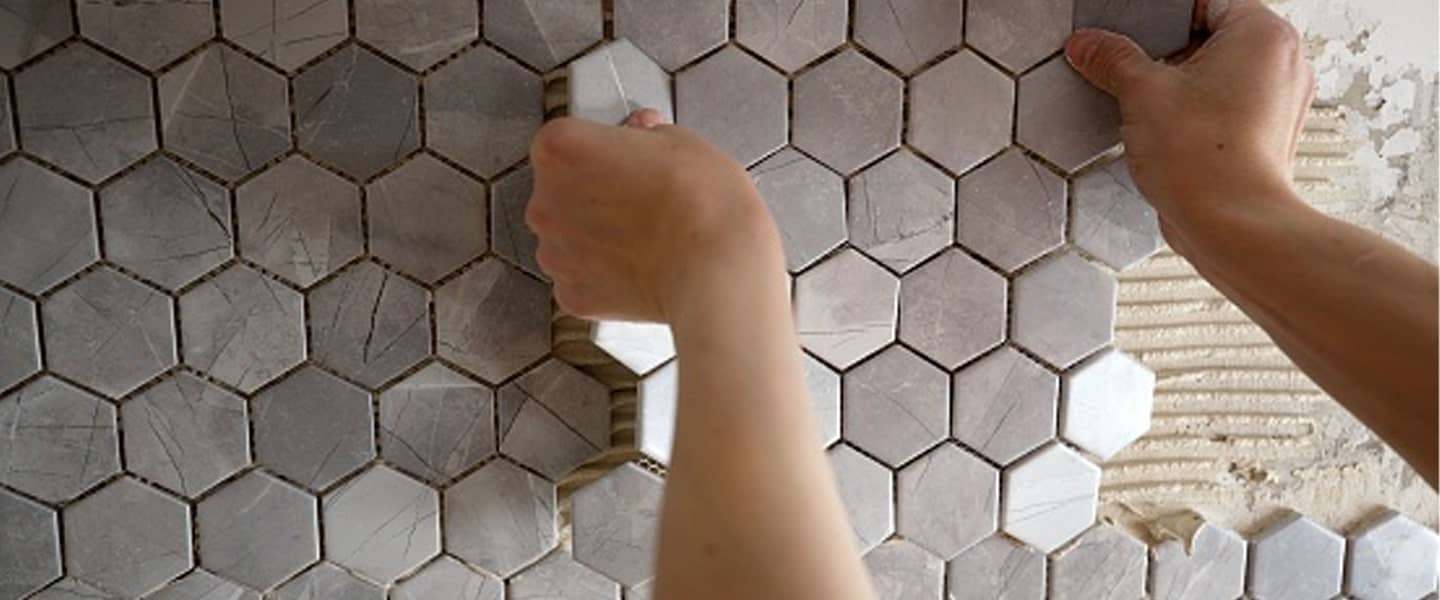
Movement, loss of bond and recurring cracks
A crack continuing through several sheets can indicate movement below the mosaic rather than several unrelated bad pieces. Local adhesive failure, unstable boards and a moving floor require different remedies. A hollow sound can justify further investigation, but does not on its own establish the cause or extent of a defect.
Damp behind a shower or bath
Water staining outside the enclosure, softened boards or persistent damp need investigation before the finish is resealed. New silicone cannot repair a leaking pipe or failed tanking. Where the lining has deteriorated, replacement shower tiling and waterproofing may be needed instead of a surface-only repair.
A replacement that belongs with the existing mosaic
Shade, size and the direction of the pattern
An older blend may be discontinued, and a current sheet with the same colour name can still differ in size or sheen. Replacement pieces need to respect the pattern direction and joint spacing. A close match can reduce the visual difference, but the repair can remain visible.
Edges of a local repair
The boundary matters as much as the new pieces. Adhesive residue must not leave the replacement standing proud, and the surrounding tesserae should remain supported. In a wet location, cutting out the finish also risks disturbing the waterproofing; any affected layer needs a compatible repair before the decorative surface is reinstated.
Regrouting without changing the character of the surface
Cleaning, replacement and grout colour
Staining on otherwise sound grout may respond to appropriate cleaning, whereas cracked or missing material needs renewal. Changing the grout shade can alter the appearance of every small piece. A local patch may look newer than the remainder, especially where old joints have changed colour over time.
Glass faces and natural-stone edges
A grout-removal tool that is acceptable beside robust porcelain can chip fine glass or mark a polished stone edge. Cleaning products must also suit the mosaic: acid can damage some stones, while abrasive treatment may scratch decorative coatings. Protective sealing, where required, follows the stone and grout specifications.
Repairs in kitchens, halls and decorative panels

On a mosaic kitchen splashback, failed joints can be local to the worktop or an exposed end. Grease and residues affect adhesion and need suitable removal. A change to sockets, units or worktops may leave a gap that needs a bounded extension rather than an attempted match across the whole wall.
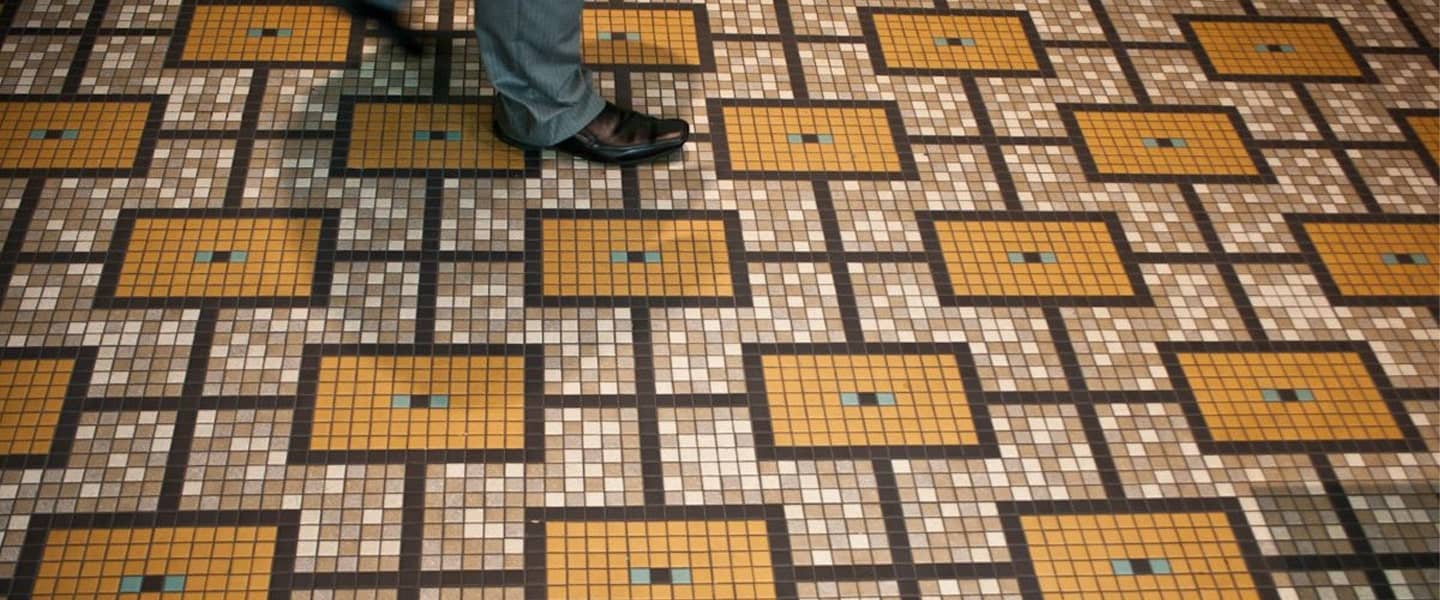
For patterned mosaic floor repairs, the direction of the motif, threshold height and support beneath the damaged area all matter. Period and decorative schemes may need a deliberately matched insert. Extensive historic restoration or reproduction of missing specialist material is not assumed to be part of a routine local tile replacement.
When a wider replacement is the sounder option
Repeatedly loose sheets, widespread cracking or damaged construction can make a small patch ineffective. Removing the affected area exposes the background and allows suitable repairs, new waterproofing where needed and a coherent replacement finish. The decision rests on what can be retained securely, not on disguising the smallest possible area.
Local repairs sit alongside our broader mosaic fitting work. Completion includes removal of installation residue and the agreed grout and sealant details. The repaired area needs the specified curing period before wet use or cleaning; repair size alone does not determine when it can return to service.
Mosaic repair enquiries
Damaged mosaic pieces, deteriorated grout and worn silicone joints, with wider retiling where needed.
Mosaic finishes across the home and beyond
Fitting for kitchen surfaces, wet rooms, patterned floors and decorative details.


Mosaic tile repairs — questions
Often, if the surrounding pieces and background are sound and a suitable replacement can be found. The small opening still needs enough preparation to support the new piece at the correct level.
No. Grout is not a repair for failed adhesion or a moving background. Loose pieces need their support and bond addressed before the joints are renewed.
A thin new layer is not a substitute for removing failed grout to the depth required by the replacement product. Sound but stained joints may call for a different treatment from deteriorated joints.
No. A failed perimeter seal is only one possible cause. Plumbing defects, damaged waterproofing and water tracking behind the lining need their own investigation and remedy.
Careful local removal can limit disturbance, but delicate edges and a strongly bonded sheet can make neighbouring damage a risk. The removal method and repair boundary depend on the actual mosaic and bedding.
Not necessarily. Age, cleaning, moisture and batch differences can alter the existing colour. A test with the proposed product helps establish the likely appearance, but exact blending with aged joints is not assured.
Usually, where the tiles and adjoining fittings are sound and access allows complete removal and preparation of the joint. Damaged edges or movement beneath the fitting may need correction first.
No. Immersion, water treatment and the pool shell require a separate repair specification. Products and cure periods must be suitable for the pool rather than borrowed from a domestic shower repair.
The adhesive, grout and sealant need their specified cure before wet use, loading or cleaning. Drying conditions and product choice matter even when the visible repair is small.